History

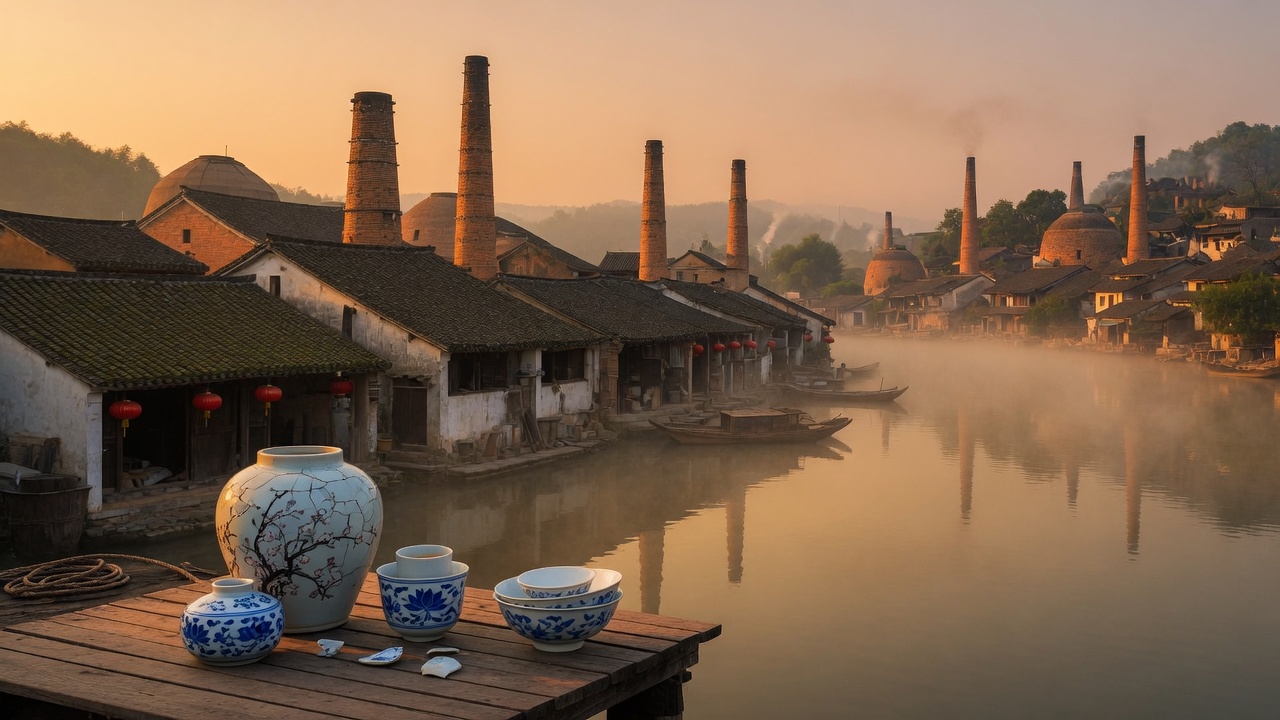
Jingdezhen, a thousand-year porcelain history

For more than a thousand years, the world's idea of Chinese porcelain has started here.

1004

Jingdezhen receives its name

During the Jingde reign of Emperor Zhenzong of Song (1004–1007), locally produced tribute porcelain earned the imperial era name Jingde. The town took that name and gained the foundation for a thousand years of ceramic growth.
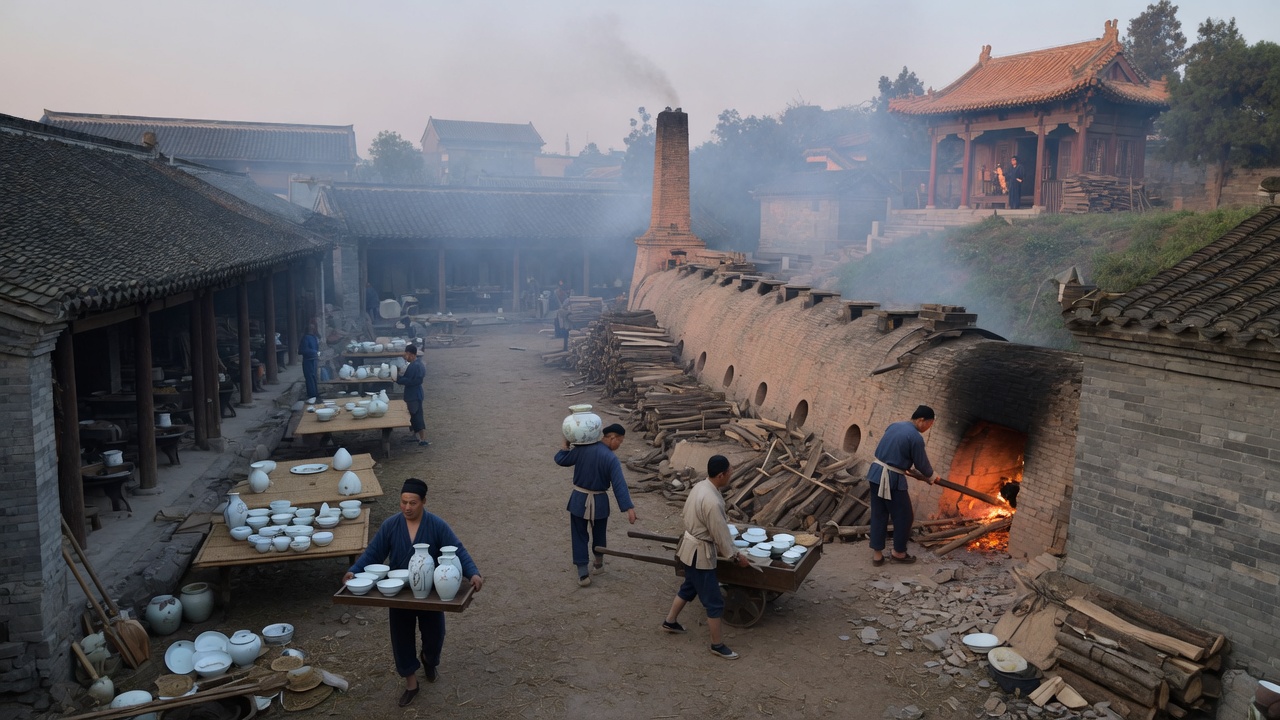
Jingdezhen receives its name
Yuan

Mature blue-and-white emerges

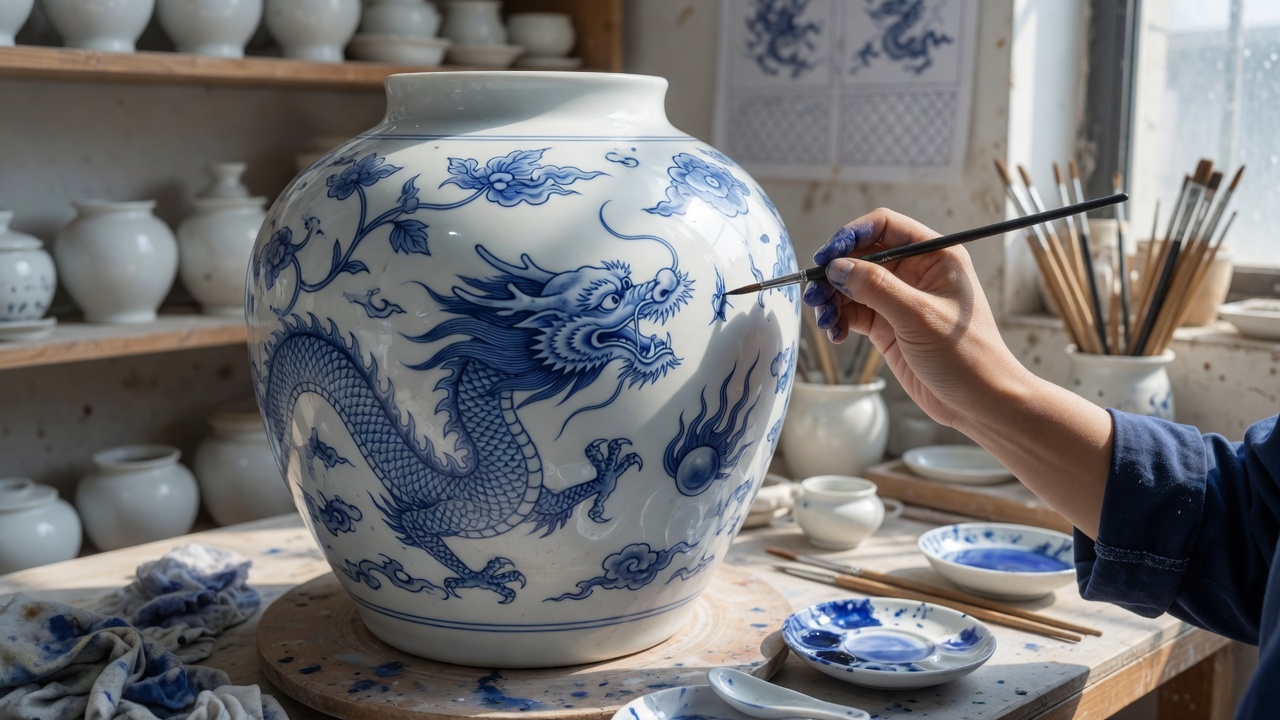
In the Yuan dynasty, cobalt imported from West Asia through the Silk Road merged with Jingdezhen’s mature white porcelain body. The result was mature blue-and-white ware, one of the most recognizable visual languages in Chinese ceramics.

Mature blue-and-white emerges
1405

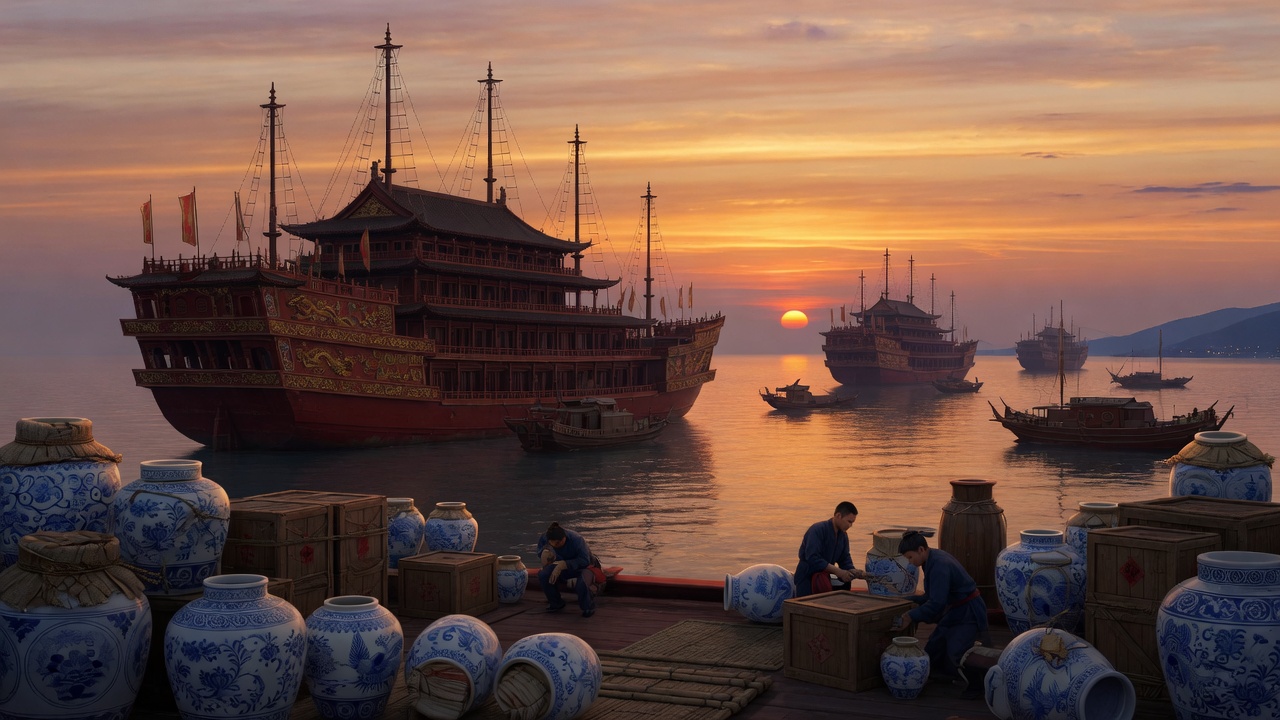
Zheng He's ocean voyages begin

Zheng He led the treasure fleet on seven voyages, carrying large quantities of Jingdezhen porcelain as diplomatic gifts and trade goods. It marked the first large-scale global reach of Chinese porcelain.

Zheng He's ocean voyages begin
1700s

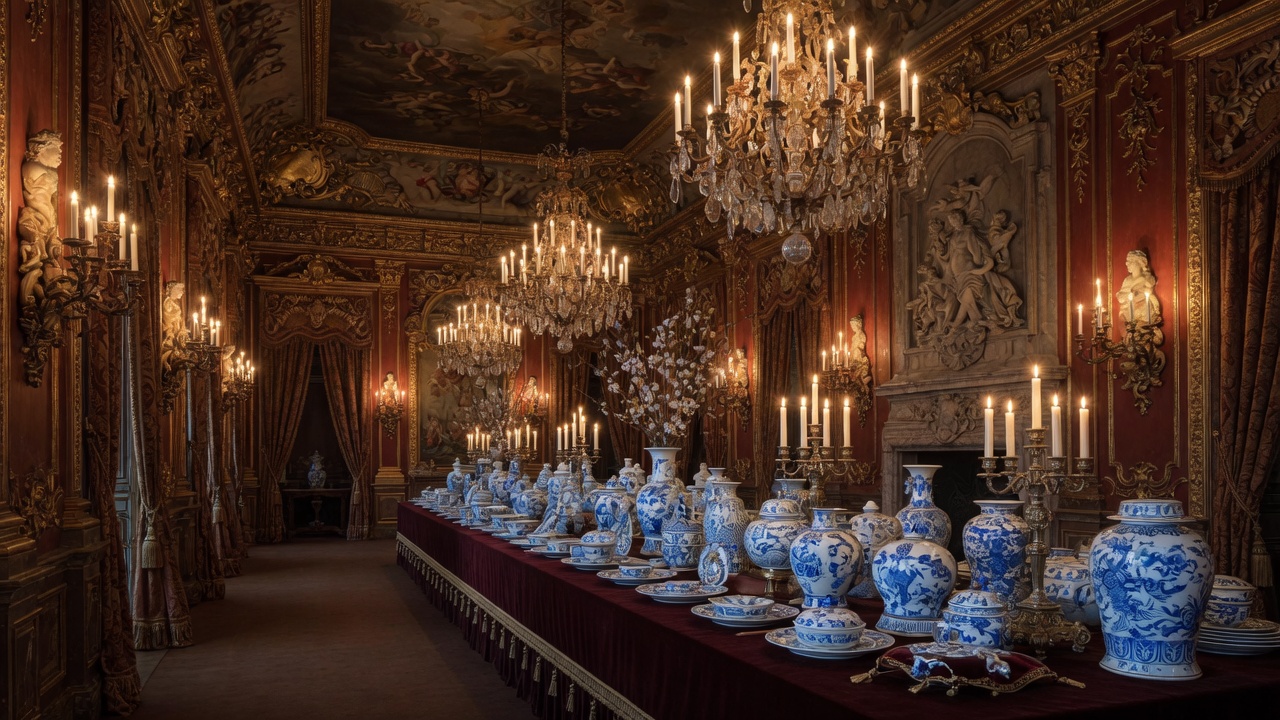
Europe enters its porcelain fever

Across the 17th and 18th centuries, Chinese porcelain in European courts could rival gold in value. Augustus the Strong famously traded 600 Saxon dragoons for 151 Kangxi-period Jingdezhen blue-and-white pieces.

Europe enters its porcelain fever
Today

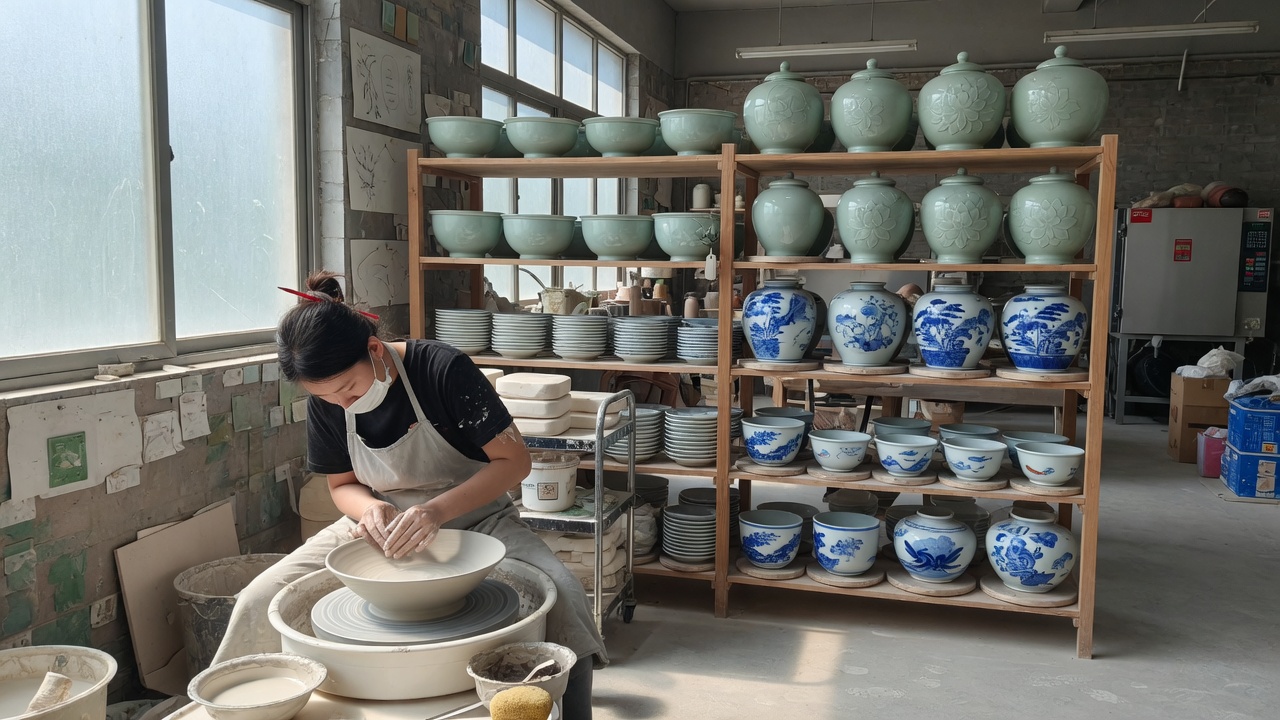
A living porcelain capital

Today Jingdezhen is still recognized as the porcelain capital of the world. Traditional wood firing and contemporary studios coexist here. Qingci selects tea ware, décor, and ceramic charms from this living workshop city.

A living porcelain capital
Explore the CollectionSee the Craft